

Intentional living spaces are defined as environments deliberately designed to align physical surroundings with personal values, wellness goals, and daily habits. These spaces range from large-scale intentional communities like cohousing developments and ecovillages to individual wellness nooks and purpose-driven home layouts. The field draws from environmental psychology, Bau-Biologie, and mindful interior design to create homes that actively support mental clarity, emotional balance, and physical health. Whether you are redesigning a single room or rethinking your entire home, the examples below give you a concrete starting point.
1. Examples of intentional living spaces: cohousing communities
Cohousing communities are the most widely studied large-scale model of intentional living. Residents own private homes but share common spaces like kitchens, gardens, and workshops, which reduces resource consumption and strengthens social bonds. The Ecovillage at Ithaca in New York and Songaia Cohousing in Washington State are two well-documented examples where shared values around sustainability and mutual support shape every design decision, from building orientation to communal meal schedules.
What makes cohousing a strong model for intentional design is the deliberate separation of private and shared zones. Private units are kept compact and functional, while common spaces are generous and multi-use. This layout shapes mental and behavioral states in ways that purely private homes rarely achieve. Residents report lower isolation, lower household costs, and stronger daily routines tied to shared rituals.

2. Ecovillages and their design principles
Ecovillages take intentional design further by integrating ecological sustainability into every spatial decision. Communities like Findhorn in Scotland and Damanhur in Italy organize their layouts around permaculture zones, natural building materials, and renewable energy systems. These are not just housing projects. They are living experiments in designing conscious spaces where the built environment reinforces ecological values at every scale.
The material choices in ecovillages directly reflect Bau-Biologie principles, which treat the home as a third skin influencing health through air quality and low-toxicity surfaces. Low-VOC paints, natural mineral plasters, and untreated timber are standard. These choices reduce environmental stressors inside the home, which matters because most people spend over 90% of their time indoors.
3. Communes, kibbutzim, and ashrams
Communes, kibbutzim, and ashrams each represent a distinct version of collective intentional living. Israeli kibbutzim like Kibbutz Ein Gev organize daily life around shared labor, communal dining, and collective decision-making, with physical spaces designed to reinforce those values. Ashrams such as Auroville in India structure space around spiritual practice, with meditation halls, communal gardens, and quiet zones built into the master plan.
What these models share is a clear hierarchy of purpose. Every space serves a defined function tied to the community’s core values. There is no wasted square footage and no ambiguous zones. This clarity of purpose is the same principle that makes individual intentional home decor effective, just applied at a community scale.
| Community type | Primary design focus | Key shared spaces |
|---|---|---|
| Cohousing | Social connection and resource sharing | Common kitchen, garden, workshop |
| Ecovillage | Ecological sustainability | Permaculture zones, renewable energy hubs |
| Kibbutz | Collective labor and governance | Communal dining hall, shared fields |
| Ashram | Spiritual practice and contemplation | Meditation halls, quiet gardens |
| Commune | Shared values and lifestyle | Common living areas, shared meals |
4. Purpose-driven home layouts for families
At the individual home level, intentional home decor starts with defining living zones before selecting furniture or finishes. A purpose-driven layout assigns specific areas to work, rest, play, and movement, so each zone reinforces the habits you want to build. This is what designers call “anchor points,” physical locations in the home that cue specific behaviors. A dedicated reading chair by a window, a yoga mat in a corner with good morning light, or a meal-prep station with clear counter space all function as behavioral anchors.
Starting with purpose before possessions is the single most effective principle in intentional home design. Defining your daily habits first prevents the accumulation of furniture and decor that looks good but serves no function. Material choices matter too. Natural fibers, low-VOC paints, and sustainably sourced wood reduce chemical exposure and support the kind of calm, grounded atmosphere that mindful living designs require.
Key elements of a purpose-driven home layout include:
- Defined zones for work, rest, and movement that do not overlap
- Anchor points that cue positive habits through placement and lighting
- Natural materials that reduce toxins and support sensory calm
- Scent and texture layering using linen, wool, and diffused essential oils to shape mood
- Flexible storage that keeps surfaces clear and reduces visual noise
Pro Tip: Run a weekly lifestyle audit by tracking your daily movements for seven days. Note where you feel friction, where you feel calm, and which spaces you avoid. That data tells you exactly where to redesign first.
5. Wellness nooks and meditation corners
Wellness nooks are one of the most accessible examples of conscious spaces for individuals who cannot redesign an entire home. A meditation corner, reading alcove, or journaling station requires only a few square feet and a clear commitment to keeping that space free of competing functions. The design principle is simple: reduce visual noise, add a biophilic element like a plant or natural light source, and define the space with a single piece of purposeful furniture.
Perceived home clutter directly raises baseline cortisol throughout the day, which means a cluttered wellness nook defeats its own purpose. Keeping these spaces minimal is not an aesthetic choice. It is a physiological one. Reducing irrelevant stimuli lowers cognitive load and allows the nervous system to shift into a calmer state.
“Physical surroundings function as silent collaborators that shape our mental and emotional landscape.” — Intentional Space Planning
Biophilic elements strengthen this effect. A single potted plant, a view of trees, or a small water feature introduces natural stimuli that the brain processes as restorative rather than demanding. Acoustic comfort matters too. A white noise machine, heavy curtains, or cork flooring in a reading corner can reduce ambient sound enough to make the space feel genuinely separate from the rest of the home.
For fitness-focused households, blending fitness equipment with home decor follows the same logic. A well-placed kettlebell rack or a folding yoga mat station can serve as a movement anchor without cluttering the room.
6. Flexible furniture and multipurpose zones
Creating purposeful environments does not require more space. It requires smarter use of existing space. Flexible furniture, including wall-mounted desks, sofa beds, nesting tables, and modular shelving, allows a single room to serve multiple functions across the day without visual chaos. A home office that converts to a guest room, or a living room corner that doubles as a movement zone, reflects the core logic of intentional space planning.
A documented renovation case study shows that reconfiguring a layout transformed a two-bedroom, one-bath home into a three-bedroom, two-bath functional space without expanding the footprint. That represents a utility increase of over 30% through design alone. The lesson is that intentional design is primarily a thinking exercise, not a spending exercise.
Pro Tip: Schedule a monthly reset where you walk through each room and ask whether the current layout still matches your routines. Small iterative tweaks, like moving a lamp or repositioning a chair, keep your space aligned with how your life is actually evolving.
| Space | Before reconfiguration | After intentional redesign |
|---|---|---|
| Main bedroom | Oversized, underused floor space | Added built-in storage, defined reading zone |
| Living area | Single-function seating arrangement | Modular sofa with movement zone cleared |
| Kitchen | Cluttered counters, no prep flow | Defined prep, cook, and clean stations |
| Spare room | Catch-all storage | Functional guest room with fold-down desk |
7. Indoor-outdoor integration as intentional design
Designing intentional interiors increasingly includes the transition between indoor and outdoor spaces. A covered patio, a balcony garden, or a screened porch that connects visually and functionally to the interior extends the home’s wellness zones into the natural environment. This approach draws directly from biophilic design, which treats access to natural light, air, and vegetation as non-negotiable components of a healthy living space.
Mindful interior design prioritizes longevity and spaces that grow with you, which is exactly what a well-designed outdoor zone provides. A patio configured for morning coffee, afternoon reading, and evening conversation serves three distinct wellness functions without requiring three separate rooms. The key is choosing durable, weather-appropriate furniture that maintains the same aesthetic intention as the interior, so the transition between spaces feels continuous rather than abrupt.
For those exploring indoor-outdoor living integration, the most effective starting point is defining which wellness activity you want to support outside, then designing the space around that single purpose before adding anything else.
Key takeaways
Intentional living spaces work because they align physical design with personal habits, values, and wellness goals rather than defaulting to trend-driven aesthetics.
| Point | Details |
|---|---|
| Start with purpose, not purchases | Define your daily habits and zones before selecting furniture or decor. |
| Clutter raises cortisol | Perceived clutter increases baseline stress hormones, making decluttering a health decision. |
| Community models scale the same principles | Cohousing, ecovillages, and kibbutzim apply intentional design at a collective level. |
| Flexible design beats more space | Reconfiguring layouts can increase utility by over 30% without expanding footprint. |
| Ongoing revision keeps spaces effective | Monthly resets align your home with how your life and goals evolve over time. |
Why I think most people start intentional design backwards
Most people approach intentional living by shopping first and reflecting second. They buy a meditation cushion, a new bookshelf, or a set of linen curtains, and then wonder why the room still feels off. The real work happens before any purchase. It starts with sitting in each room and asking what you actually do there, what you wish you did there, and what gets in the way.
I have seen this play out repeatedly. Someone redesigns their home office with beautiful, minimal furniture, but keeps a pile of unread mail on the desk because they never designed a home for incoming paper. The anchor point is missing. The space looks intentional but does not function that way.
The most durable intentional spaces I have encountered are not the most expensive or the most photographed. They are the ones where the person living there can explain exactly why every object is where it is. That level of clarity does not come from a design trend. It comes from continuous revision as life changes. A space that worked perfectly for a single person in their thirties will need rethinking when a partner moves in, a child arrives, or a remote work routine begins. Treating your home as a living system rather than a finished product is the actual practice of intentional living.
The other thing worth saying: you do not need to commit to a full redesign to start. Pick one room, define one purpose, and remove everything that does not serve it. That single act will teach you more about intentional design than any mood board.
— Brian Dunn, Couch & Dumbbells
Design your outdoor space with the same intention
Your outdoor space deserves the same purposeful thinking as any room inside your home. At Couchanddumbells, the outdoor furniture collection is curated specifically for people who want their patio, balcony, or garden to function as a genuine wellness zone, not just a place to store extra chairs.
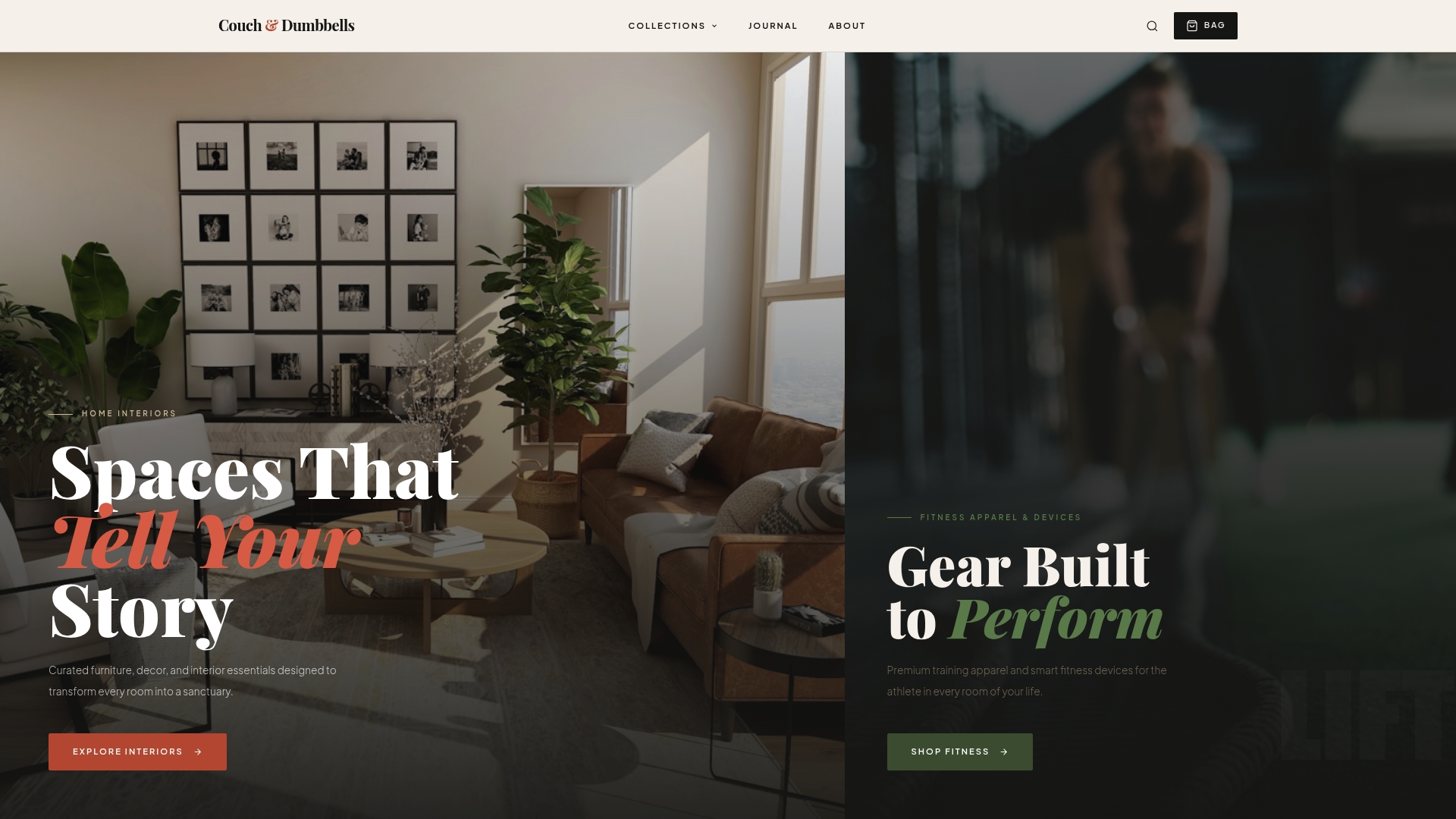
Whether you are creating a morning meditation corner, a social gathering space, or a quiet reading area outside, the right furniture makes the intention stick. Couchanddumbells also carries a full range of home and interior pieces designed to support mindful, functional living from the inside out. Browse the collection and find the pieces that match how you actually want to live.
FAQ
What is an intentional living space?
An intentional living space is an environment designed to align with your personal values, daily habits, and wellness goals. Every element, from layout to materials to lighting, serves a defined purpose rather than filling space by default.
How do I start creating a purposeful home environment?
Define your daily routines before making any purchases. Identify which habits you want to support, then design zones and anchor points around those habits.
Does clutter actually affect mental health?
Yes. Perceived clutter raises cortisol levels throughout the day, meaning a disorganized home creates measurable physiological stress, not just aesthetic discomfort.
What are the best examples of conscious spaces at a community level?
Cohousing communities, ecovillages like Findhorn, and kibbutzim like Kibbutz Ein Gev are the most well-documented examples. Each uses spatial design to reinforce shared values around sustainability, social connection, or spiritual practice.
How often should I update my intentional home design?
A monthly reset review keeps your space aligned with evolving routines and goals. Intentional design is a continuous practice, not a one-time project.